By the Valor Peak crew
Longmont, Colorado
What is the official definition of American single malt whisky?
For years, American single malt was a label without a legal definition. That changed when the Alcohol and Tobacco Tax and Trade Bureau, known as TTB, established the American Single Malt Whisky standard of identity in a final rule published December 18, 2024. The rule took effect January 19, 2025.
Under that standard, American single malt must be made from a fermented mash of 100 percent malted barley. It must be mashed, distilled and aged in the United States, and distilled entirely at one U.S. distillery. It must be distilled to 160 proof or less and aged in oak barrels with a maximum capacity of 700 liters. Those barrels can be used, uncharred new or charred new. It must be bottled at no less than 80 proof.
Can American single malt contain caramel coloring?
Yes, with a condition. The standard allows caramel coloring as long as it is disclosed on the label. If color matters to you, read the fine print. A label that says nothing about coloring should not be using it under this standard, and a short question to the producer will clear up any doubt.
Color is not a reliable sign of age or quality on its own. Barrel type, barrel size, storage conditions and time all shape color, and so does coloring when it is used and disclosed. Judge the whiskey by smell and taste first.
Does American single malt have to be aged a minimum time?
The base standard sets barrel rules, not a minimum age. The word straight changes that. A straight American single malt must be aged at least two years. If you see straight on the label, you know the whiskey has spent at least that long in oak.
Without the word straight, a single malt may be younger, and that is allowed. Younger does not automatically mean worse. Barrel size and climate both influence how quickly a whiskey picks up character from the wood, so age is one clue among many.
How is American single malt different from Scotch single malt?
Both start with malted barley and both come from a single distillery. The differences are mostly about place and barrel rules. Scotch must be made and aged in Scotland under Scottish rules, which include a minimum aging period. American single malt must be made and aged in the United States under the federal standard described above.
The American standard gives distillers more barrel freedom, including new charred oak, which can add bold vanilla and caramel notes. Many American producers also work in very different climates. The result is a category with a wide range of styles. Some taste close to tradition, others taste unmistakably American.
“One grain, given time, has a lot to say.”
How is American single malt different from bourbon?
Bourbon is built on corn, at least 51 percent of the mash, and must be aged in new charred oak. American single malt is built entirely on malted barley and can use used, uncharred new or charred new oak. That one grain change makes a big difference in the glass.
Bourbon usually leans sweet, with caramel and vanilla from the corn and new charred barrels. Single malt usually leans toward cereal, bread and toasted notes from the barley. Both can be complex, and both reward slow sipping. Neither is a stronger or weaker version of the other. They are simply different whiskeys.
What does American single malt taste like?
Expect malt first. Many American single malts open with notes of fresh bread, biscuit or cereal, followed by honey, toast and sometimes dried fruit. The barrel adds vanilla, spice or caramel depending on how it was used before and how heavily it was charred.
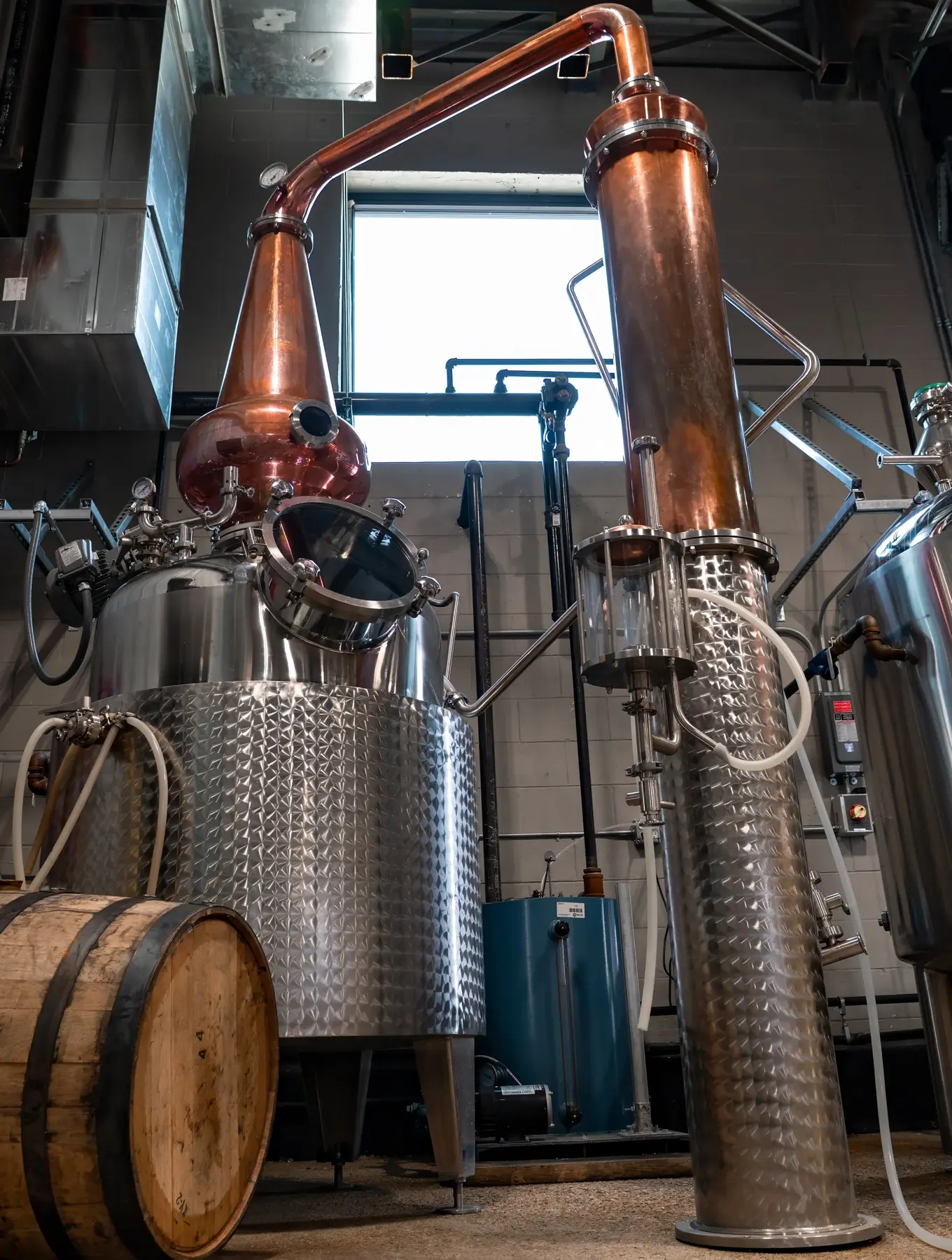
Valor Peak American Single Malt is made from one malted grain, distilled in copper and given time in oak. Our crew describes it as malt, honey and toast, soft and bready with a slow finish. For specifics beyond that, ask the crew about our mash and barrels when you visit. They love that conversation.
Why does the American single malt category matter for craft distillers?
A clear definition protects drinkers and makers. Before the standard, the words on a label could mean very different things. Now a bottle labeled American Single Malt Whisky has to meet the same rules no matter who made it. That gives shoppers confidence and gives small distillers a fair shot at standing out on the shelf.
For craft distillers, the category is also a canvas. Malted barley is demanding to work with, and single malt rewards patience. It is a way to show skill rather than scale.
How should you drink American single malt?
Neat is the best first introduction. Use a small glass, let it rest for a minute and take short sips. A few drops of water can open up the malt and honey notes. Then try it in a cocktail built to show off barley. Our Penicillin uses American single malt with honey, ginger and lemon, and it is a quiet favorite at the bar.
If you are comparing styles, pour a single malt next to a bourbon. The contrast teaches more than any description. Our tours end with a tasting, and the crew can guide you through both.
What else should you know?
Is American single malt the same as Scotch?
No. Both use malted barley from one distillery, but Scotch is made and aged in Scotland under Scottish rules. American single malt is made in the United States under its own federal standard, which allows more barrel choices.
Does American single malt have to be aged a minimum time?
Not under the base standard, which sets barrel rules instead. A whiskey labeled straight American single malt must be aged at least two years in oak barrels of 700 liters or less.
What does American single malt taste like?
Expect malt, bread and cereal first, then honey and toast. Barrel choices add vanilla, caramel or spice. Our American Single Malt leans malt, honey and toast, with a soft, bready finish.
Where can I buy American single malt in Colorado?
Valor Peak American Single Malt is sold at our Longmont tasting room, through our online shop and at 43 Colorado liquor stores in 16 cities. Selection varies, so check the Where To Buy finder and call ahead.